“Punct Gastronomic Local” (PGL) | Local Gastronomic Hub
A concept in Harghita County that represents much more than just a restaurant. It is part of a regional development strategy that combines agriculture, tourism, regional identity, and sustainability. Harghita County is considered one of the most active regions in Romania in promoting this concept.
The basic idea is for family-run farms or private households in rural areas to open their kitchens to guests. There, traditional dishes are prepared according to regional recipes and served directly to visitors. The ingredients used come primarily from the farm itself or from local producers and must comply with food safety regulations.
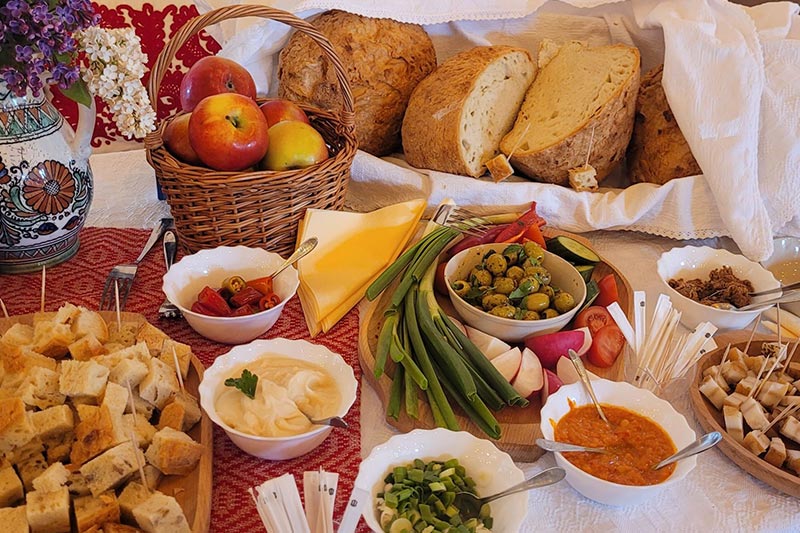
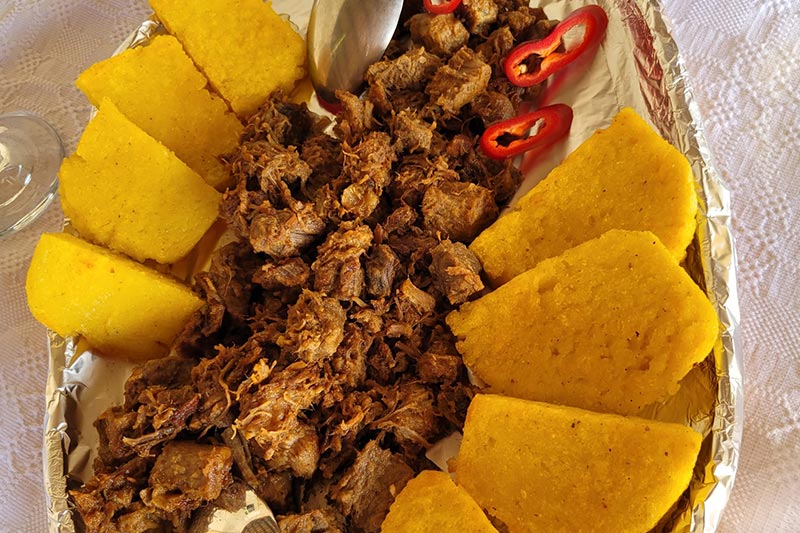
Key features of the concept include:
:: Authentic regional cuisine instead of standardized dining.
:: Short value chains, using local resources whenever possible.
:: Additional income opportunities for farming families and small-scale producers.
:: Preservation of culinary heritage, traditional recipes, and regional foods.
:: Tourism experiences in which guests not only eat but also learn about the culture, village life, and often agricultural production.
There are clear rules governing Gastropunkte. They are designed for small family-run businesses and thus differ significantly from traditional restaurants.
Typical characteristics include:
:: Family-run operations,
:: Adequate seating capacity,
:: A deliberately limited daily menu featuring a small selection of regional dishes,
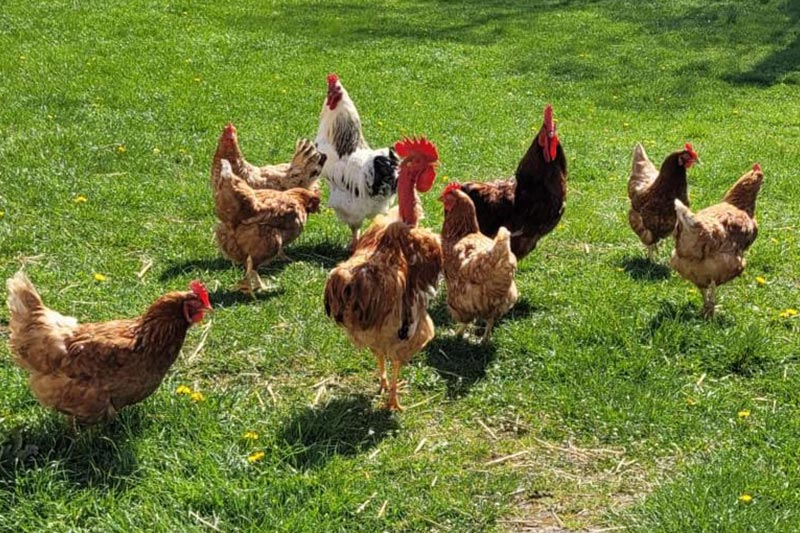
:: An emphasis on fresh, seasonal, and regional products.

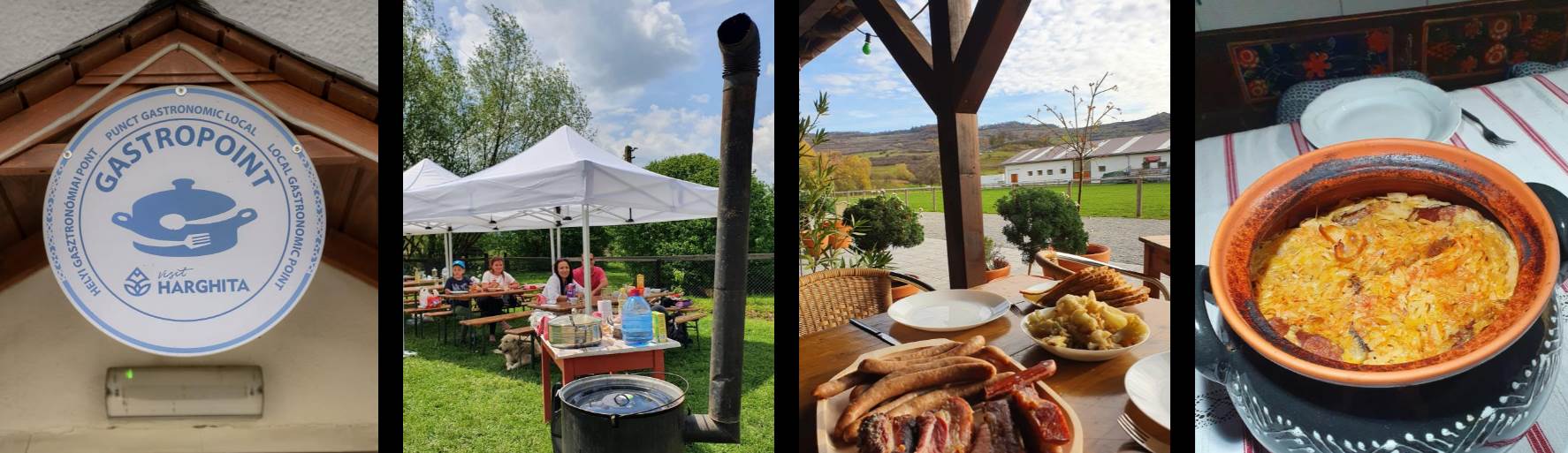
What Makes It Special as a Dining Destination in Harghita County

Harghita County has systematically refined the concept. Through the tourism organization Visit Harghita, “Gastropunkte” are:
:: presented with a unified visual identity (logo and brand),
:: promoted on a central platform,
:: integrated into tourist routes,
:: supported in their development through training and consulting services. This creates a network of regional hosts that establishes the “Gastropunkt” as an integral part of tourism.
The goal is not to create as many restaurants as possible, but rather an authentic culinary network that showcases regional products, traditions, and hospitality. Visitors experience the region through its cuisine, while the economic value added remains in the villages. Today, this model is regarded as an example of sustainable rural tourism and regional development.